BD150 Aircraft Design Features.
Airframe & Hardware.
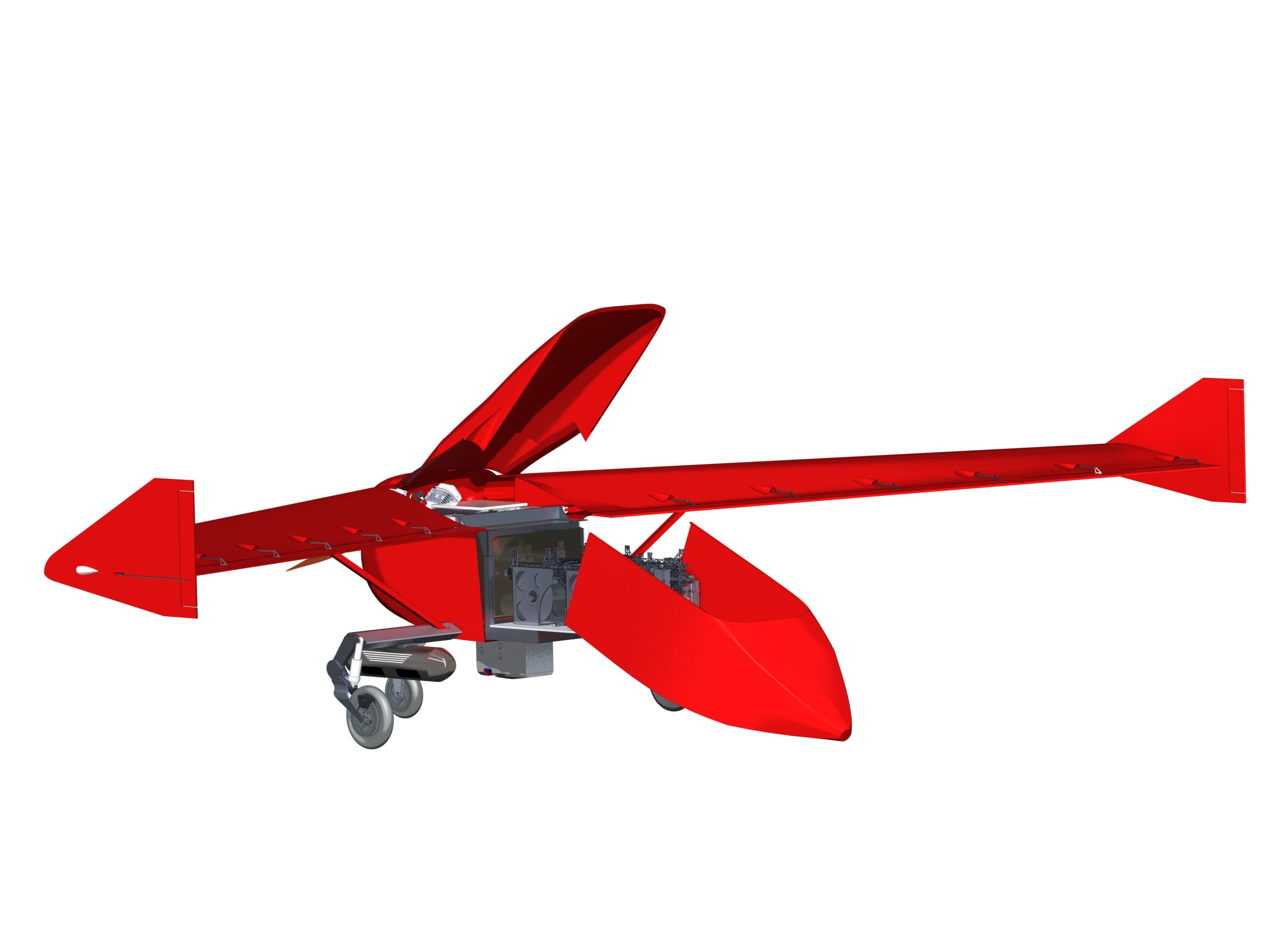
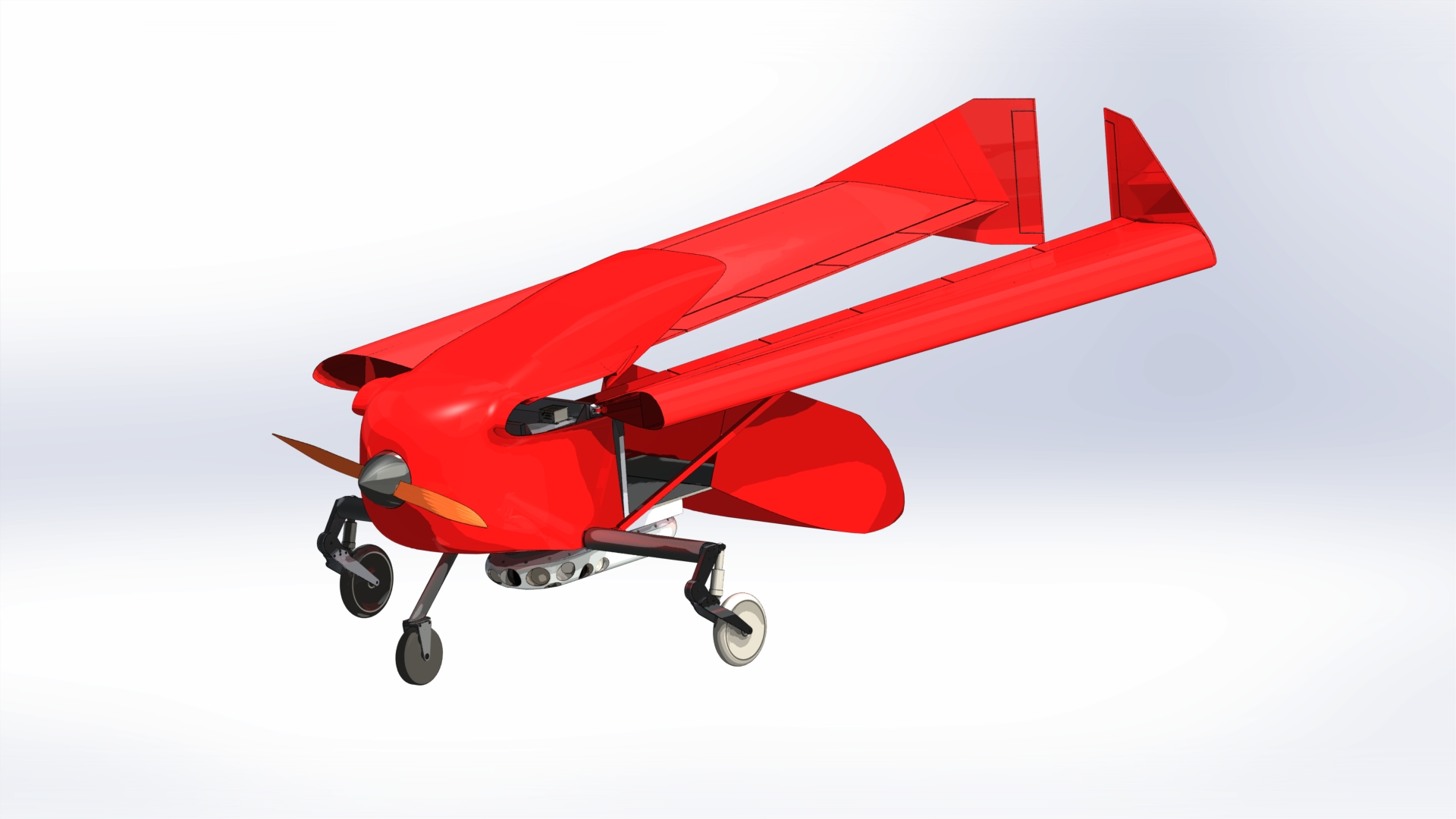
23HP 4-Stroke EFI Engine
Reliable power and fuel efficiency
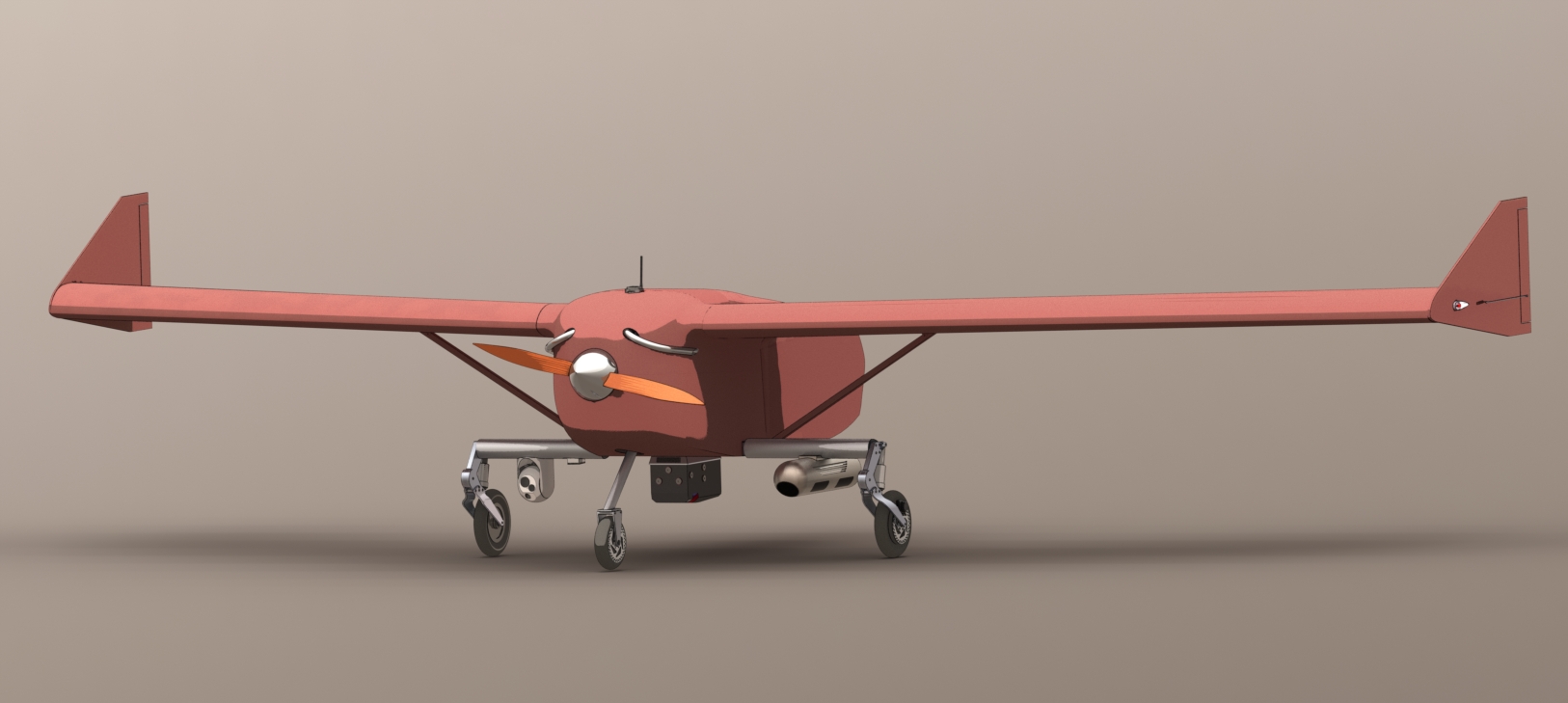
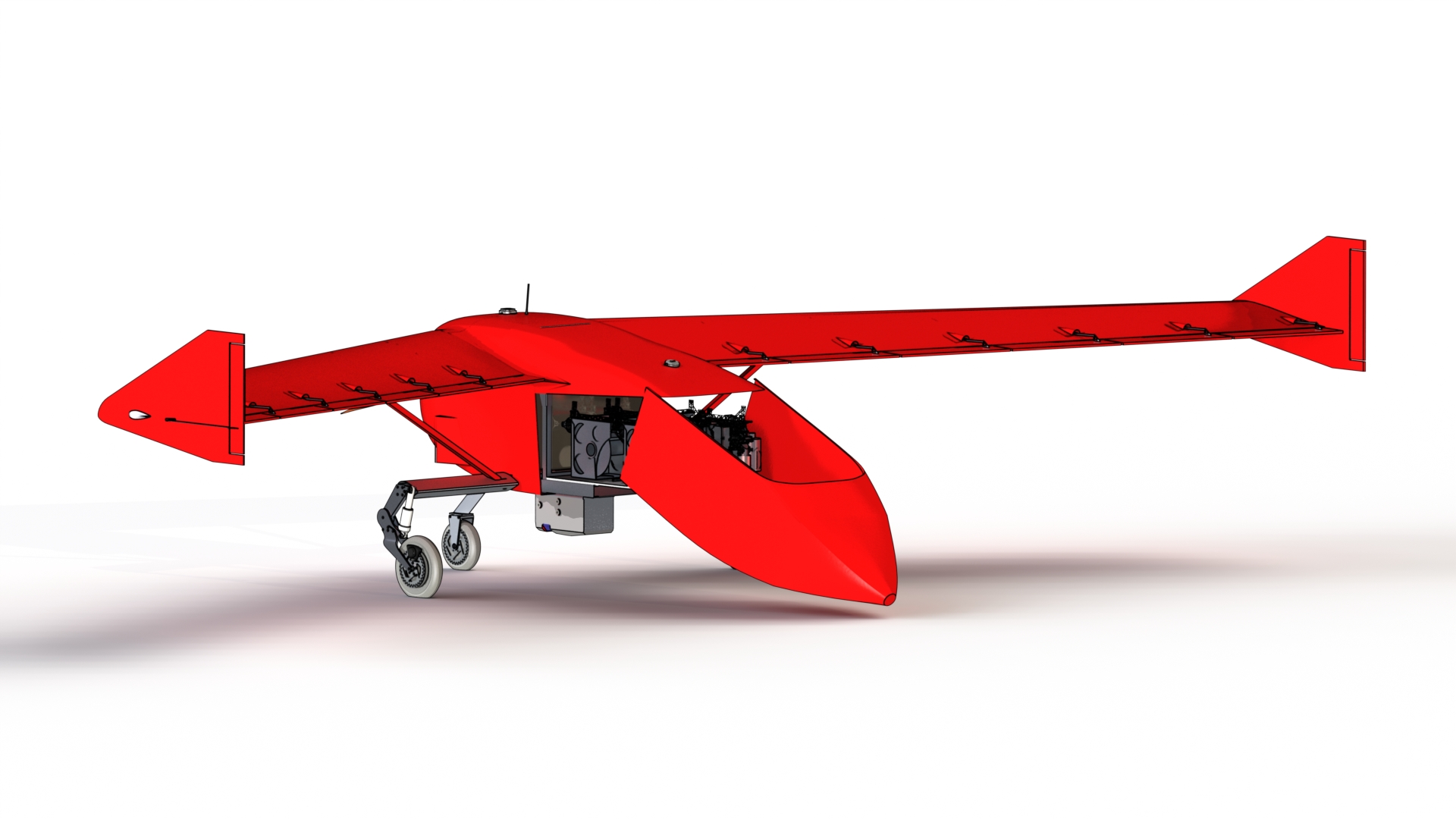
Robust Aluminium Alloy Fuselage
High Durability & Maximises Payload Capacity
Top Hatch
Quick access for maintenance and deployment
Avionics Compartment
Protected housing for avionics systems
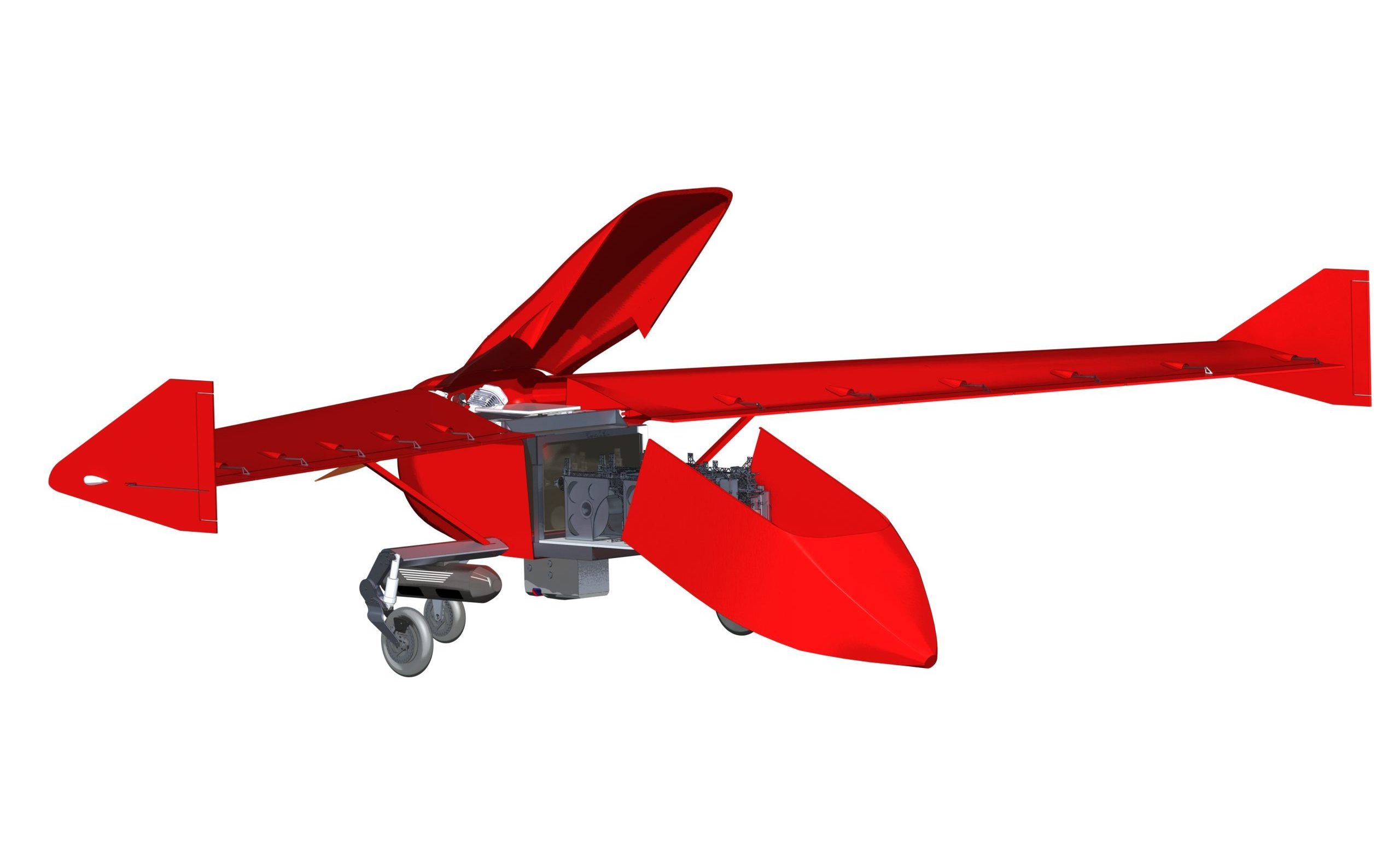
Mission-Configurable Rear Pod
Easily swapped to suit different missions
Rugged Tricycle Landing Gear
High Precision Automatic Take-off and Landing on unprepared airstrips
Systems & Avionics.
Vector 600 Autopilot System (DO-254, DO-178C, MIL-STD-810F)
Advanced, military-grade autopilot delivering precise flight control, redundancy, and compliance with aerospace safety standards.
GNSS Denied Navigation Capability
Maintains reliable navigation and mission accuracy even in environments where GPS/GNSS signals are jammed or unavailable.
Dual Redundant Datalink
Line of Sight, and Satellite Link
Multiple Servo Redundancy
Backup systems ensure reliable control
Aircraft Performance.
A Ground Support Crew member prepares the aircraft by replenishing fuel, oil,, and fitting the mission-specific pod. Readiness of the aircraft will be uploaded to the Operations Centre which will take control of the aircraft and download operational parameters. Ground handling safety will be of the highest priority during the mission preflight.
In the event of a loss of communications, the BD150 will transit to a predetermined location for a safe recovery.
Select Payload:
Flight Performance.
Range
Endurance
Power Performance.
Max Speed
100% Power
Transit Speed
70% Power
On Task
50% Power
Adaptable Pod for a wide range of missions.
A mission-specific pod will be fitted to the base aircraft. Fitting or changing a pod can be carried out by a ground support crew member who will not be required to hold an engineer license.

Incendiary
Search & Rescue
Surveillance
Package Delivery
Transportability.
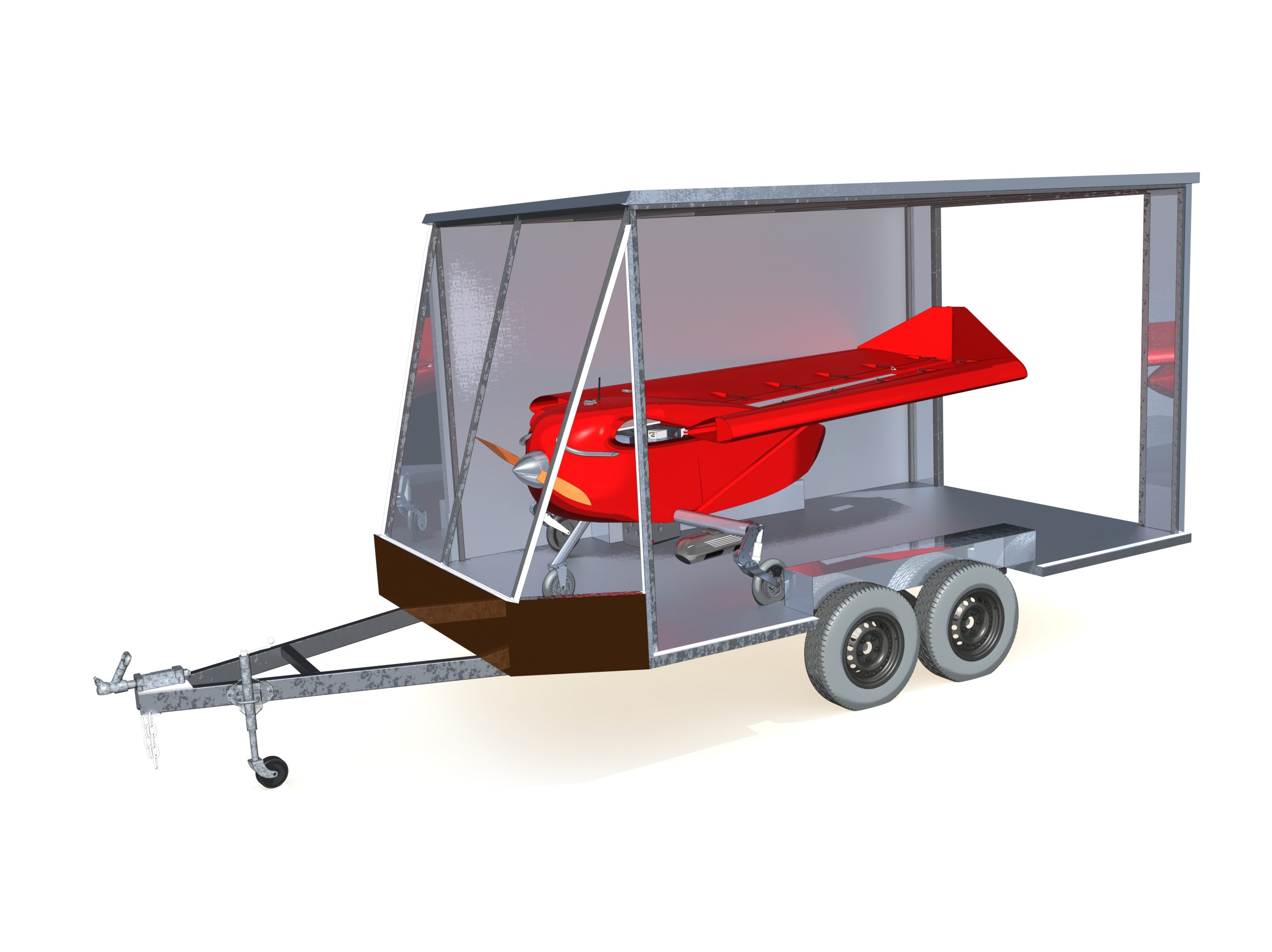
The BD150 can be transported using either a custom-built trailer or a long-wheelbase panel van.


Autonomous Control.
Ground Preparation.
Ground Support Staff will prepare the BD150 for flight and ensure ground handling safety protocols are followed.
There should be close liaison between ground support staff and the operations centre.

Control in Flight.
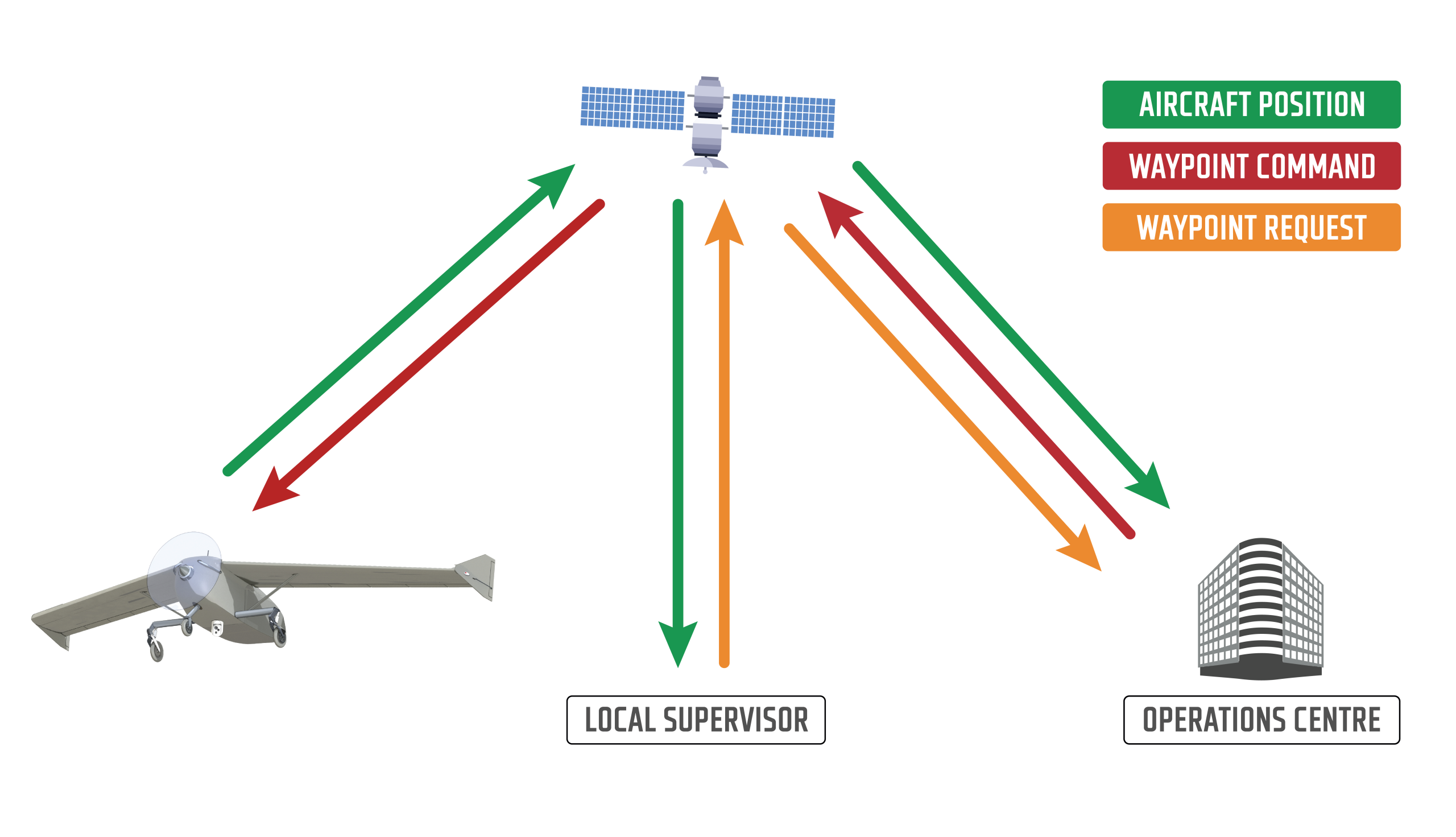
Once the BD150 has been prepared for flight, the Operations Centre will take control of the aircraft until the mission has been completed and aircraft is stationary on the ground.
Changes to mission parameters, waypoints, or routing may be requested via data link or land line by fire crews, rescue coordination centres, and other users. Modifications to the flight profile will be executed exclusively through the Operations Centre, where BVLOS-qualified personnel have access to air traffic data, NOTAMs, and weather information.
In the event of a complete data link failure, the BD150 will autonomously return to a predetermined recovery site using independent onboard systems.”
Our Operating System.
Control of aircraft made by local/remote control centre as they will have full up to date weather, ATC traffic, NOTAMs, etc.